The Store Is Not Dead — It's Misunderstood

Ghalia Boustani
PhD · Retail Expert & Author
Two decades of retail research have taught me one thing: the loudest obituaries are always written by people who never truly understood what a store was for in the first place.
Every few years, a new wave of headlines announces the death of the physical store. The 2008 financial crisis. The rise of e-commerce. The pandemic. And now, artificial intelligence. Each disruption brings a fresh batch of eulogies, graphs showing store closures, data on declining footfall, breathless predictions of an all-digital future.
I have been studying retail, academically and in the field, since 2005. And I have noticed something consistent across every so-called retail crisis: the stores that die are rarely dying because retail itself is broken. They are dying because they were built on a logic that was already obsolete.
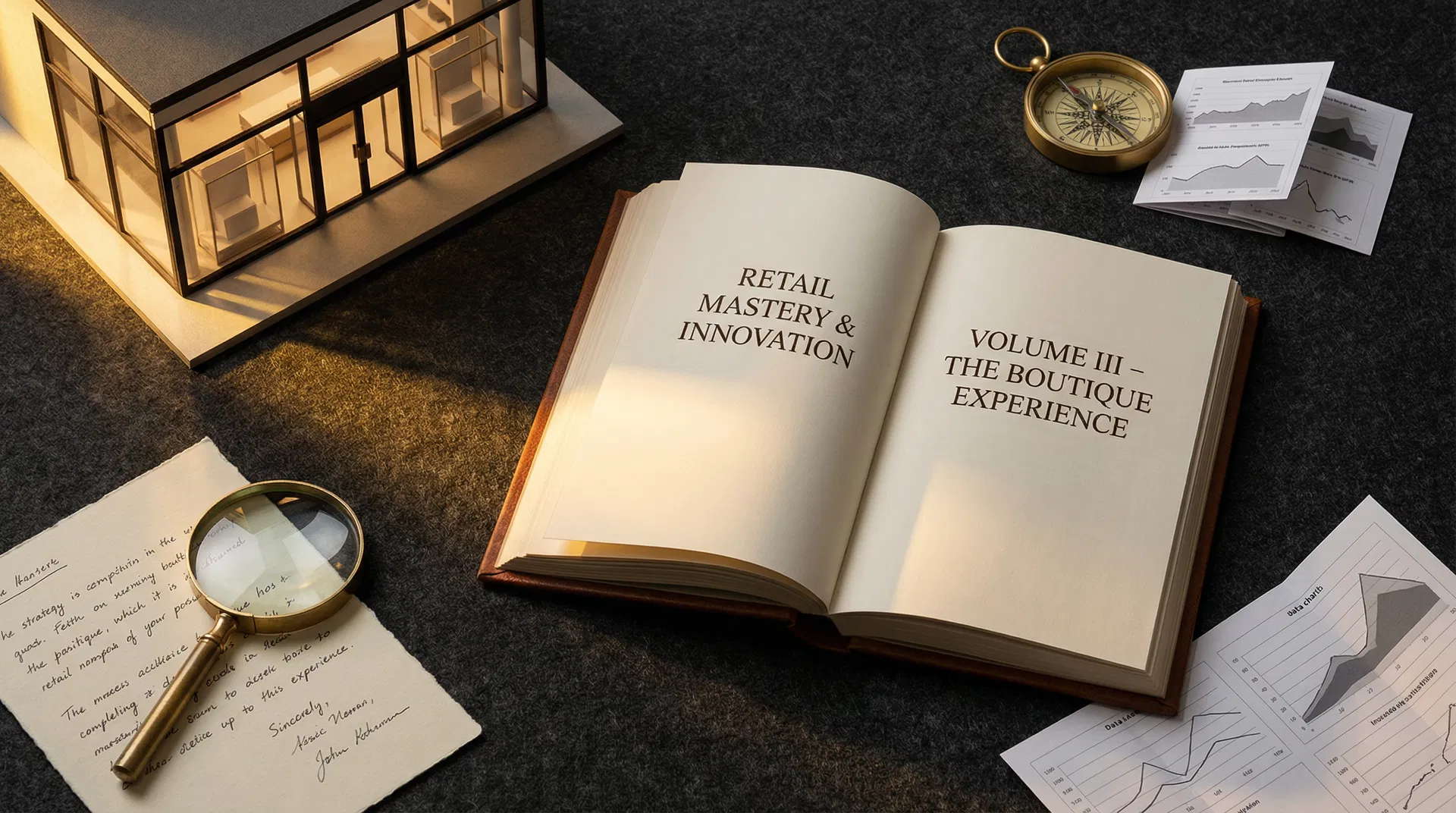
"Retail is about perception , being able to see what others overlook."
The Narrative We Keep Getting Wrong
The 'retail apocalypse' narrative is seductive because it has just enough truth in it to feel credible. Yes, certain formats have struggled. Department stores that failed to evolve. Big-box retailers that bet everything on volume and forgot about experience. Malls anchored by anchors that had stopped anchoring anything meaningful.
But let us be precise: these are not retail failures. They are format failures. They are the predictable consequence of ignoring what the physical store was always, at its core, designed to do.
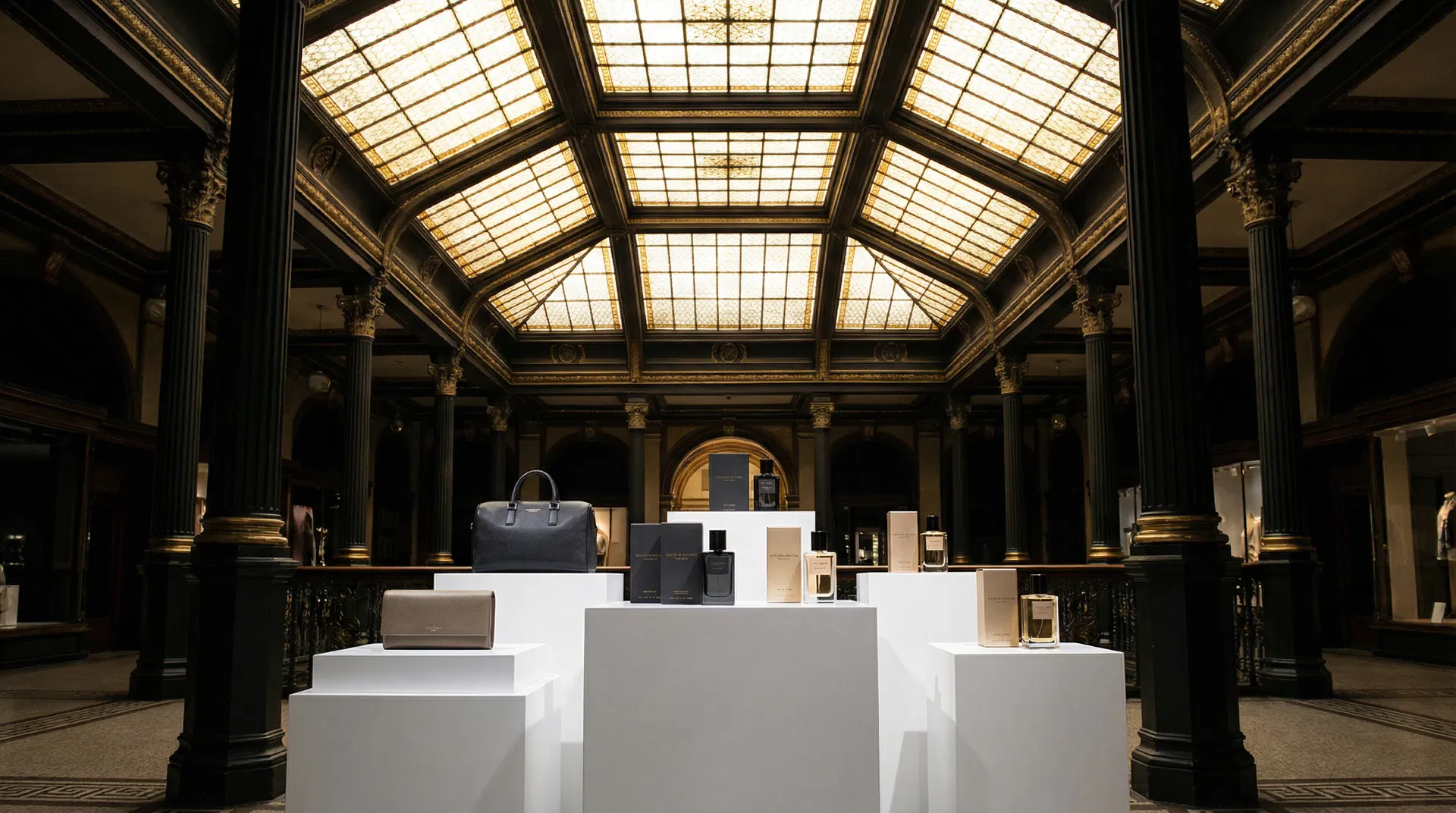
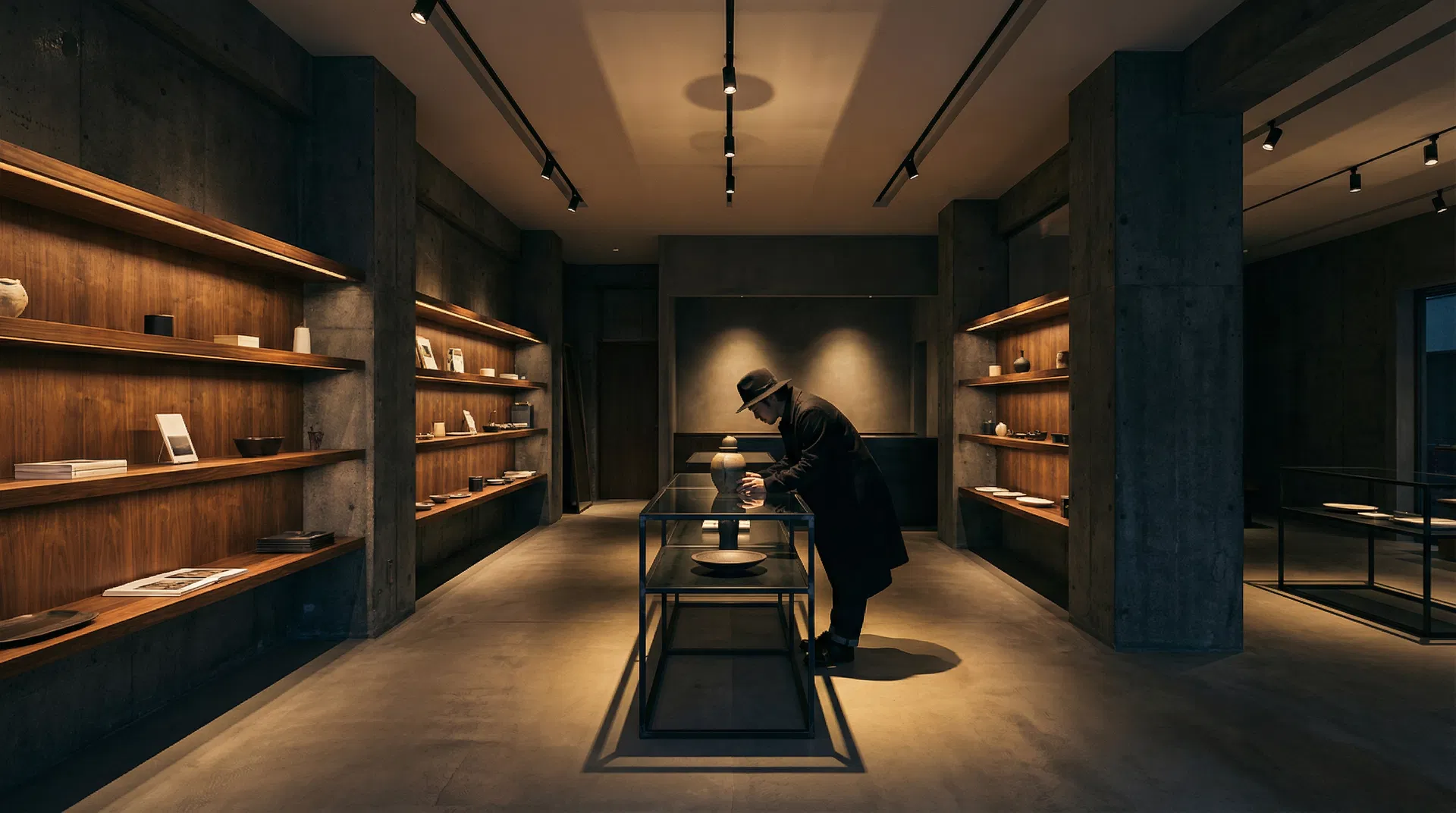
A store is not a warehouse with a door. It is a designed encounter between a brand and a human being. It is a place where perception is shaped, trust is built, and desire is activated. When we strip away those functions, when we reduce the store to a transaction terminal, we should not be surprised when consumers choose the faster, cheaper option available on their phone.
What the Data Actually Says
Here is what the retail apocalypse headlines rarely mention: global retail sales, including physical retail, have continued to grow in most markets. Even in categories under pressure from e-commerce, stores remain the dominant channel for many consumer segments. And brands that were born online, from Glossier to Warby Parker to countless others, have been opening physical locations, not abandoning them.
Why? Because they have learned what experienced retailers have always known: digital reach and physical presence are not competitors. They are complements. The store does something a screen cannot. It makes a brand real.
In my research on pop-up stores, formats that exist precisely because of their temporariness, I have seen this principle proven again and again. A brand can have millions of social media followers and still benefit enormously from a week-long physical activation. Because the encounter changes the relationship. The customer who touches the product, smells the space, speaks to a human being, leaves with something different. Something that no algorithm has yet managed to replicate.
"The store does something a screen cannot. It makes a brand real."
The Real Question Retailers Should Be Asking
The wrong question is: 'Should we still have stores?' The right question is: 'What should our stores actually do, and are they doing it?'
This is a strategic question, not an operational one. It requires brands to revisit their assumptions about the purpose of physical presence. In a world where any product can be delivered in hours, the store cannot justify itself through convenience alone. It must justify itself through experience, through meaning, through the quality of the encounter it creates.
Some brands are getting this right. They are designing stores as stages for brand storytelling. They are using temporary formats, pop-ups, residencies, concept stores, to test new markets, reach new audiences, and create urgency without overextension. They are training their staff not as cashiers but as brand ambassadors. They are measuring success not just in sales per square metre, but in how the store contributes to brand equity over time.
What Misunderstanding Costs
When retailers misdiagnose the problem, when they conclude that the store is the issue rather than their use of it, they make costly decisions. They close locations prematurely. They over-invest in digital at the expense of physical touchpoints that were actually performing important functions. They abandon the very assets that gave their brand presence and credibility.
I have worked with brands across Europe and the Middle East navigating exactly these moments. The ones that emerge stronger are not the ones that made the boldest bets on digital. They are the ones that asked better questions about what their physical presence was doing, and then designed it to do that better.
A Different Way to See It
Retail has always evolved. The agora, the bazaar, the department store, the shopping mall, the concept store, the pop-up, every era has produced new formats that reflected new consumer realities. We are in another such moment. Not an ending, but a transition.
The stores that will thrive in the next decade are not the ones that survive the death of retail. They are the ones whose owners understood that retail never died, that it only ever transformed, and who had the vision to lead that transformation rather than mourn an imagined loss.
Physical retail is not dead. It is waiting for people who understand what it was always capable of.
What do you think the physical store's primary job is in 2025, and is your brand using it that way? I would love to hear your perspective.
— WORK WITH GHALIA
Ready to transform your retail strategy?
Book a consultation to discuss your retail challenges and how Ghalia's expertise can help.
BOOK A CALL